For 5 years, actress Christina Applegate believed she had multiple sclerosis (MS), a lifelong disease that affects the brain and spinal cord. She spoke publicly about her declining health and the challenges of living with the disease. But in October 2026, she revealed that her doctors had reversed the diagnosis.
The news didn’t provide Applegate with the relief that many people might expect. During the October 20 episode of her podcast “MeSsy,” she explained that she’s still struggling with serious symptoms and feels like she’s “back at square one” because she no longer has an explanation for what’s causing them.
Her experience raises important questions about how doctors diagnose complex medical conditions like MS, how often those diagnoses turn out to be wrong, and what happens when patients spend years receiving treatment for an illness they never had.
If you or a loved one suffered serious harm after being misdiagnosed in Florida, schedule a free consultation with the Tampa medical malpractice attorneys at Palmer Lopez to learn about your legal options.
Christina Applegate reveals doctors misdiagnosed her with MS
Applegate, known for her roles in Married… with Children, Anchorman, and Dead to Me, first announced her MS diagnosis in 2021.
According to reporting by The New York Times, her symptoms began with numbness in her toes that gradually spread to her legs. She later developed pain, balance problems, difficulty walking, and gastrointestinal issues.
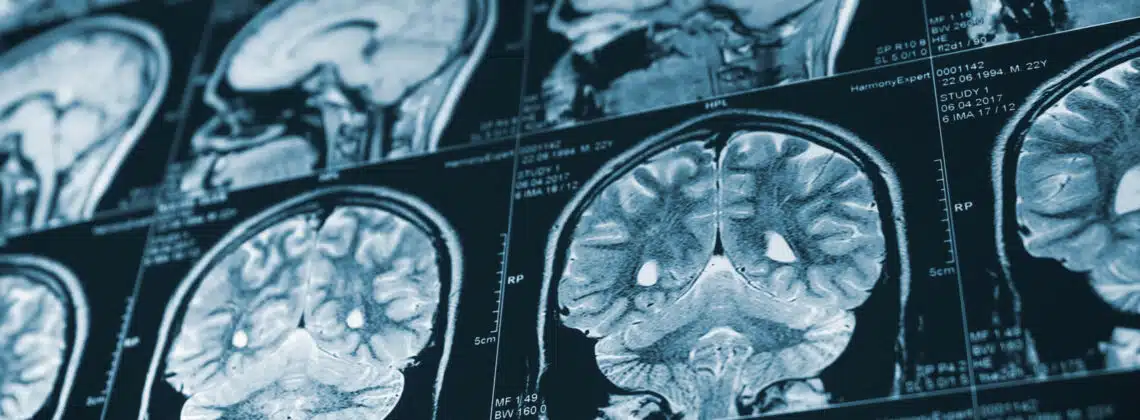
Doctors initially diagnosed her with MS after an MRI revealed lesions, or areas of damage, in her brain. A spinal tap also detected signs of inflammation that can be associated with the disease.
However, on October 20, 2026, Applegate revealed that her doctor had recently told her she didn’t have MS after all.
On her podcast, Applegate recalled her doctor walking into the room and announcing, “Congratulations, you don’t have M.S.”
But rather than celebrating, Applegate broke down in tears as she described the uncertainty of once again not knowing what was wrong with her.
The actress explained that reversing her diagnosis didn’t make her symptoms disappear. She is still sick and is now facing the possibility of starting the diagnostic process over.
Although it’s not entirely clear what led doctors to reverse Applegate’s diagnosis, according to CBS News, her doctors began questioning her diagnosis while monitoring her response after an infusion treatment was stopped. She also described undergoing additional testing that may have included a newer MRI technique that helps distinguish MS from other conditions.
Her experience highlights a difficult reality of medical care. Even when patients undergo extensive testing, doctors may reach the wrong diagnosis. For patients, the consequences can be significant, particularly when an incorrect diagnosis leads to unnecessary treatment or delays care for the condition they actually have.

Doctor Turns out to be Wrong about Two Dozen MS Diagnoses
Patients from all over the U.S. have accused the doctor of knowingly misdiagnosing the disease in order to profit from the expensive medications, routine checkups, and cost of care.
How often are people misdiagnosed with MS?
Research suggests that approximately 15% to 20% of patients diagnosed with MS may be misdiagnosed, although rates vary depending on the population studied.
A 2024 review of 6 studies involving 1,621 patients found an overall misdiagnosis rate of approximately 15%. Similarly, a 2019 study by Cedars-Sinai found that nearly 1 in 5 patients referred to 2 specialized MS centers had been incorrectly diagnosed.
These estimates come from specific patient groups, so they don’t necessarily reflect the misdiagnosis rate among all people diagnosed with MS, but they do give us a general idea.
Why is MS misdiagnosed so often?
One of the biggest challenges in diagnosing MS is that there’s no single test that can definitively confirm the disease.
Instead, doctors must consider a patient’s symptoms, medical history, neurological examination, MRI scans, and sometimes spinal fluid tests and rule out other conditions that could explain the symptoms.
Several factors that make MS particularly difficult to diagnose include:
- Overlapping symptoms. Numbness, tingling, weakness, fatigue, dizziness, and vision problems can occur with MS and many other medical conditions.
- Similar MRI findings. MS can cause areas of damage called lesions in the brain and spinal cord, but other conditions can produce similar findings.
- Symptoms that change over time. MS symptoms may come and go, making it difficult for doctors to recognize a consistent pattern.
- Misinterpreted test results. Doctors may place too much weight on an MRI or other test without considering whether the patient’s overall symptoms support an MS diagnosis.
- Failure to consider other conditions. Some patients may receive an MS diagnosis before other possible explanations have been adequately investigated.
According to Cedars-Sinai, recent advances in MRI technology are helping doctors better distinguish MS-related damage from changes caused by other diseases, but even with improved testing, accurately diagnosing MS can be challenging.
What could be misdiagnosed as MS?
Many medical conditions share symptoms with MS, and some can produce similar findings on brain scans. According to Medical News Today and Cedars-Sinai, conditions that doctors may mistake for MS often include:
- Migraines. These can cause vision disturbances, dizziness, numbness, and brain MRI changes that may resemble MS.
- Lupus. This autoimmune disease can affect the nervous system, causing inflammation and neurological symptoms similar to MS.
- Neuropathy. Nerve damage can cause numbness, tingling, weakness, balance problems, and pain similar to MS.
- Cervical spondylosis. This age-related condition affects the neck and spine and can sometimes compress the spinal cord, causing weakness, numbness, and difficulty walking.
- Neuromyelitis optica spectrum disorder (NMOSD). This autoimmune condition can cause inflammation of the optic nerves and spinal cord, leading to vision loss, weakness, and other symptoms associated with MS.
- Vitamin B12 deficiency. This can cause nerve problems, weakness, difficulty walking, numbness, and cognitive difficulties.
- Fibromyalgia. This chronic condition causes widespread pain, fatigue, difficulty concentrating, and sometimes numbness or tingling.
- Acute disseminated encephalomyelitis (ADEM). This inflammatory condition affects the brain and spinal cord, often following an infection. It can cause weakness, vision problems, and difficulty with movement.
- Functional neurological disorder (FND). This condition affects how the brain sends and receives signals, causing genuine symptoms such as weakness, tremors, numbness, or difficulty walking that may resemble MS.
- Sarcoidosis. This inflammatory disease can sometimes affect the nervous system, causing neurological symptoms that resemble MS.
- Lyme disease. This tick-borne bacterial infection can sometimes affect the nervous system, causing nerve pain, numbness, weakness, and other neurological problems.
- Vasculitis. Inflammation of blood vessels can sometimes affect the brain or spinal cord, producing neurological symptoms or MRI abnormalities that may resemble MS.
- Small vessel disease. Damage to small blood vessels in the brain can produce MRI findings resembling MS-related lesions.
- Myelin oligodendrocyte glycoprotein antibody-associated disease (MOGAD). This autoimmune disease can cause inflammation in the optic nerves, brain, and spinal cord, resulting in symptoms that overlap with MS.
- Radiologically isolated syndrome (RIS). People with RIS have brain or spinal cord lesions that resemble MS, but they have not experienced the neurological symptoms required for an MS diagnosis. Some eventually develop MS.
Some of these conditions require very different treatments, which is one reason why getting the diagnosis right is so important.
What are the potential consequences of being misdiagnosed with MS?
Being diagnosed with MS can change nearly every aspect of a person’s life. Patients may begin taking long-term medications, make major lifestyle adjustments, and face considerable uncertainty about their future.
When that diagnosis turns out to be wrong, the consequences can be serious, especially if the patient received unnecessary treatment or went years without proper care for their actual condition.
Below are just some of the potential consequences of an MS misdiagnosis.
Unnecessary treatments and dangerous side effects
MS medications can be powerful, and some suppress parts of the immune system, increasing the risk of serious infections. Patients who don’t actually have MS may be exposed to these risks without receiving any medical benefit.
The 2024 research review we mentioned earlier found that as many as 60% of misdiagnosed patients in some studies received medications intended to slow the disease that they ultimately didn’t have.
Delayed treatment and worsening health
When doctors focus on treating MS, they often overlook the condition that’s actually causing a patient’s symptoms. This can be especially dangerous if the real illness is treatable but gets worse without proper care.
In some cases, the delay could lead to complications or permanent disability that earlier treatment might have prevented.
Financial hardship
MS treatment can involve expensive medications, repeated testing, specialist visits, and hospital care. Patients may spend thousands of dollars on treatment they never needed, while ongoing symptoms or treatment complications may force them to miss work or leave their jobs.
Emotional distress and even increased suicide risk
Being told you have a lifelong disease with no cure can be devastating. Patients may make major decisions about their careers, families, and futures based on that diagnosis. In the most tragic circumstances, the emotional impact of believing they have MS could even contribute to someone taking their own life.
A 2019 analysis of 16 studies involving more than 260,000 MS patients found that people diagnosed with MS had a 72% higher rate of suicide than the general population.
Although the study did not specifically examine misdiagnosed patients, it raises a deeply troubling possibility: A patient could die by suicide while struggling to come to terms with a devastating diagnosis that was never correct in the first place.
Can you sue your doctor if you’re misdiagnosed with MS?
Yes. You may be able to file a medical malpractice lawsuit if a doctor incorrectly diagnoses you with MS and that mistake results from medical negligence.
However, a wrong diagnosis alone does not always establish medical malpractice. MS is a complex disease, and doctors can make reasonable diagnostic decisions that later turn out to be incorrect.
Under Florida law, a medical malpractice claim generally requires evidence that a healthcare provider failed to meet the accepted standard of care and that failure caused harm.
Depending on the circumstances, medical negligence involving an MS diagnosis might include:
- Failing to investigate symptoms that don’t fit an MS diagnosis
- Misinterpreting MRI findings or other test results
- Failing to consider or rule out other possible conditions
- Diagnosing MS without sufficient medical evidence
- Continuing unnecessary treatment despite evidence that the original diagnosis may be incorrect
- Failing to refer a patient to an appropriate specialist when necessary
So, if a doctor negligently diagnoses MS and prescribes medication that causes serious complications, the patient may have grounds for a medical malpractice claim.
Similarly, if an incorrect MS diagnosis prevents doctors from identifying and treating another serious condition, the patient may be able to pursue compensation for additional harm caused by that delay.
Each case depends on the medical evidence, the decisions made by the healthcare providers, and whether the patient suffered harm that could reasonably have been prevented.
Christina Applegate’s experience illustrates the devastation that can accompany a reversed diagnosis, but the publicly reported facts do not yet establish that her doctors committed malpractice.
Because these cases are often quite complex, determining whether medical negligence was involved in an MS misdiagnosis often requires the help of an experienced medical malpractice attorney.
Considering a medical malpractice lawsuit in Florida after being misdiagnosed by your doctor?
Finding out that you’ve been treated for a disease you never had can be devastating, especially if you’ve suffered serious side effects, missed out on treatment for your actual condition, or made life-changing decisions based on an incorrect diagnosis.
While not every misdiagnosis amounts to medical malpractice, if your doctor failed to provide an appropriate standard of care and that failure caused you harm, you may have grounds for a lawsuit.
At Palmer Lopez, our Tampa medical malpractice lawyers have more than 40 years of combined experience helping people navigate complex legal matters. We understand how difficult it can be to question the care you received from a medical professional you trusted.
Our team can investigate what went wrong, determine whether negligence played a role in your injuries, and build a strong case to get you the justice and compensation you deserve.
If you believe a medical misdiagnosis has caused you or a loved one serious harm, contact Palmer Lopez today to discuss your situation and learn more about your legal options in Florida.
References
15 Diseases like MS: Similar conditions and symptoms. (2022, October 27). www.Medicalnewstoday.Com. https://www.medicalnewstoday.com/articles/diseases-like-ms
Astor, M. (2026, October 20). ‘Back at square one’: Christina Applegate says her M.S. was misdiagnosed. The New York Times. https://www.nytimes.com/2026/10/20/well/christina-applegate-misdiagnosis-ms.html
Breen, K. (2026, October 20). Christina Applegate reveals she was misdiagnosed with multiple sclerosis: “Not happy at all.” CBS News. https://www.cbsnews.com/news/christina-applegate-misdiagnosis-multiple-sclerosis/
Shen, Q., Lu, H., Xie, D., Wang, H., Zhao, Q., & Xu, Y. (2019). Association between suicide and multiple sclerosis: An updated meta-analysis. Multiple Sclerosis and Related Disorders, 34, 83–90. https://doi.org/10.1016/j.msard.2019.06.012
Staff, C.-S. (2025, October 7). Getting the diagnosis right with multiple sclerosis. Cedars-Sinai. Cedars-Sinai.Org. https://www.cedars-sinai.org/stories-and-insights/healthy-living/getting-ms-diagnosis-right
Zürrer, W. E., Cannon, A. E., Ilchenko, D., Gaitán, M. I., Granberg, T., Piehl, F., Solomon, A. J., & Ineichen, B. V. (2024). Misdiagnosis and underdiagnosis of multiple sclerosis: A systematic review and meta-analysis. Multiple Sclerosis Journal, 30(11–12), 1409–1422. https://doi.org/10.1177/13524585241274527