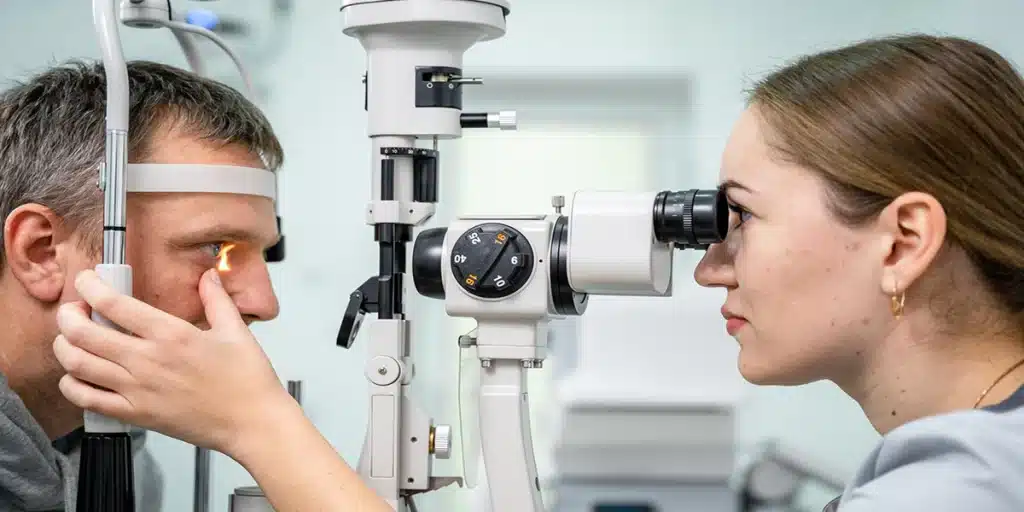
A Guide to Compensation for Hearing Loss & Blindness Due to Negligence in Florida
Learn when you may be able to file a personal injury or medical malpractice lawsuit in Tampa for vision or hearing loss
Losing your vision or hearing can change every part of your life in an instant. Simple tasks become difficult, careers are disrupted, and independence can be taken away without warning.
In Tampa, vision and hearing loss are often labeled as “medical issues,” but in some cases, they stem from preventable negligence, such as serious vehicle crashes, dangerous property conditions, or medical mistakes that never should have happened.
In this article, we’ll discuss common causes of blindness and hearing loss linked to negligence, answer key questions victims often have, and explain when you may be able to file a personal injury or medical malpractice claim.
If you or a loved one has suffered vision or hearing loss due to another party’s actions, reach out to the Tampa catastrophic injury lawyers at Palmer Lopez for a free consultation to learn how we can help protect your future.
What kinds of accidents can cause blindness?
Blindness can result from a wide range of accidents, especially when the eyes, brain, or optic nerves are exposed to sudden trauma or harmful conditions. In personal injury cases, vision loss is often linked to events where safety rules were ignored or medical care fell below accepted standards.
Common accidents that can lead to partial or total blindness include:
- Car crashes. High-speed impacts can injure the eyes directly or cause head and brain trauma that disrupts vision. Motorcycle accidents leave riders especially vulnerable to facial and eye injuries due to the limited protection their helmets provide.
- Collisions involving commercial trucks. Crashes with large trucks often involve extreme force, increasing the risk of traumatic brain injuries, crushed facial bones, or optic nerve damage that can lead to permanent vision loss. In some cases, trucks may also be carrying hazardous or chemical materials, and exposure during a crash can lead to chemical burns to the eyes or other injuries that cause lasting blindness.
- Unsafe property conditions. Falls caused by hazards such as wet floors, broken walkways, poor lighting, or unmarked obstacles can result in serious head or eye injuries, particularly when property owners fail to address known dangers.
- Medical negligence. Vision loss can occur when healthcare providers make errors, such as damaging the optic nerve during surgery, failing to diagnose eye or neurological conditions, mismanaging infections, or delaying treatment for conditions like glaucoma or retinal detachment.
In each of these scenarios, blindness may have been preventable. Identifying how the injury occurred and whether safety standards or medical guidelines were violated is key to determining whether legal action may be available.
Can a traumatic brain injury cause blindness?
Yes. A traumatic brain injury can cause blindness or serious vision problems, even when the eyes themselves are not physically damaged. Vision is controlled by multiple areas of the brain, including the occipital and parietal lobes.
When a violent blow to the head occurs, such as in a car crash, motorcycle accident, or fall, those regions can be disrupted.
This may result in partial vision loss, loss of peripheral vision, blurred or double vision, or complete cortical blindness, where the eyes function but the brain can no longer process what they see.
These injuries are often overlooked at first because vision problems may develop days or weeks after the trauma.
Can you get hearing loss from a car accident?
Yes. Hearing loss can absolutely result from a car accident, even when there is no direct injury to the ears. The extreme noise and pressure from a collision can damage delicate structures inside the inner ear.
One common cause is airbag deployment. Airbags deploy at high speed and can produce a sudden blast loud enough to rupture the eardrum or injure the cochlea, leading to temporary or permanent deafness and tinnitus (ringing in the ears).
Hearing damage can also occur from head trauma or skull fractures that affect the auditory nerves or balance system. Unfortunately, in many cases, symptoms do not appear immediately and may worsen over time, making it more difficult to tie the hearing loss directly to the crash.
Can whiplash cause hearing loss?
Yes. Whiplash can cause hearing loss, and the connection is more common than many people realize.
Whiplash injuries occur when the head and neck are violently snapped back and forth, often during rear-end car crashes. While whiplash is commonly associated with neck pain and stiffness, the sudden force can also disrupt the nerves, blood flow, and delicate structures involved in hearing and balance.
Research published in the National Library of Medicine has found that roughly 10% of people who suffer whiplash go on to develop ear-related symptoms, including hearing loss, ringing in the ears (tinnitus), and vertigo.
These symptoms may result from damage to the inner ear, irritation of the auditory nerve, or impaired circulation to the structures responsible for hearing.

How To File a Complaint Against a Hospital or Emergency Room
Learn who to contact and what steps to take to make your voice heard in Florida.
Can medication cause hearing loss?
Yes. Certain medications can cause hearing loss, sometimes temporarily and sometimes permanently.
According to the American Speech-Language-Hearing Association, there are more than 200 known ototoxic medications, meaning drugs that can damage the inner ear or auditory nerve. These medications may affect hearing, balance, or both, and the risk often increases with higher doses, long-term use, or when multiple ototoxic drugs are taken together.
So, which medications can cause hearing loss?
Prescription and non-prescription drugs commonly linked to hearing loss include:
- Pain relievers and anti-inflammatories. High doses of aspirin and some non-steroidal anti-inflammatory drugs (NSAIDs) have been associated with hearing changes, tinnitus, and muffled hearing.
- Certain antibiotics. Aminoglycoside antibiotics, often used to treat serious infections, are well known for their potential to cause permanent inner ear damage.
- Chemotherapy and cancer medications. Drugs such as cisplatin can be highly ototoxic and may cause lasting hearing loss.
- Hormone therapies. Long-term hormone treatment has been associated with changes in auditory function in some patients.
- Diuretics (water pills). Loop diuretics, which are used to treat heart failure and high blood pressure, can interfere with inner ear fluid balance and hearing.
- Neurological and psychiatric medications. Certain anticonvulsants, tricyclic antidepressants, and anti-anxiety medications have been reported to cause hearing or balance symptoms in some individuals.
- Quinine-based and antimalarial medications. These drugs may affect hearing and balance, particularly with prolonged use.
- Allergy medications. Some formulations may contribute to ear-related side effects, especially when combined with other ototoxic drugs.
If hearing loss results from improper prescribing, unsafe drug combinations, or a failure to warn patients of known risks, it may raise questions of medical negligence.
When is blindness or hearing loss medical malpractice?
Blindness or hearing loss may qualify as medical malpractice when the harm was preventable and caused by a healthcare provider’s failure to meet the accepted standard of care.
Keep in mind that not every bad medical outcome is malpractice. The key issue is whether a doctor’s or hospital’s negligence resulted in an avoidable error that a reasonably careful provider would not have made under similar circumstances.
Situations where vision or hearing loss may rise to the level of medical malpractice include:
- Birth-injury negligence. Oxygen deprivation, untreated infections, or improper use of delivery tools during labor and delivery can cause lifelong hearing or vision impairments in newborns.
- Surgical errors. Mistakes during eye, ear, brain, or head and neck surgeries can damage critical nerves, blood vessels, or surrounding structures, resulting in partial or total blindness or hearing loss.
- Medication errors. Prescribing ototoxic or vision-damaging drugs without proper monitoring, correct dosing, or warnings can cause permanent sensory damage, especially when safer alternatives exist.
- Misdiagnosis or delayed diagnosis. Failing to diagnose conditions such as glaucoma, retinal detachment, stroke, or tumors can allow irreversible damage to the optic or auditory nerves. Delays in diagnosing inner ear injuries or infections can also lead to permanent hearing loss.
- Failure to monitor or respond to complications. Ignoring post-surgical symptoms, signs of infection, increased eye pressure, or neurological changes can allow minor complications to progress into permanent vision or hearing loss.
To pursue a medical malpractice claim in Florida, you must generally show that:
- A doctor-patient relationship existed.
- The provider breached the standard of care.
- That breach directly caused the blindness or hearing loss.
- The injury resulted in lasting harm or damages.
Because medical malpractice cases are highly technical and heavily contested, proving fault requires expert medical testimony and detailed record review.
If blindness or hearing loss followed medical treatment and you believe it could have been prevented, a Tampa medical malpractice lawyer can help determine whether doctor negligence or malpractice may be involved.
When can you sue for hearing damage or blindness after a car accident in Florida?
In Florida, whether you can sue after suffering hearing loss or blindness in a car accident depends on the severity and permanence of the injury.
Florida follows a no-fault insurance system, which means most accident victims must first turn to their own personal injury protection (PIP) coverage. PIP typically pays for a portion of medical expenses and lost wages, regardless of who caused the crash. For many injuries, this is the only compensation available.
However, Florida law allows injured victims to step outside the no-fault system in serious injury cases.
You may be able to file a lawsuit against the at-fault driver if the accident caused:
- A significant and permanent loss of an important bodily function, such as the loss of hearing or vision
- A permanent injury within a reasonable degree of medical probability, which can include partial or total blindness, permanent hearing loss, or severe auditory nerve damage
When injuries meet this legal threshold, you may pursue compensation beyond PIP, including damages for long-term medical care, future treatment, lost earning capacity, pain and suffering, and reduced quality of life.
Because hearing loss and blindness often involve complex medical evidence and long-term consequences, these cases typically require expert medical opinions to establish the permanence of the injury and its cause.
Determining whether your injury qualifies for a lawsuit depends on the facts of the accident, the extent of your injuries, and how they impact your daily life, making it essential to work with a local Tampa car accident attorney with experience in cases involving permanent injuries.
Suffering from vision or hearing loss due to negligence in Tampa? We can help!
If you’re suffering from blindness or hearing loss due to negligence in Florida, having a local Tampa law firm on your side that knows how to build these cases matters.
The Tampa catastrophic injury lawyers at Palmer Lopez have experience handling serious injury and wrongful death claims that depend on detailed medical records, specialist testimony, and careful investigation. As Florida-based attorneys, we understand the local courts, the medical providers in the area, and the strategies insurance companies use to challenge high-value claims.
If you or a loved one is dealing with vision or hearing loss because of someone else’s mistake, contact Palmer Lopez today for a free consultation. We’re here to help you understand your options and fight for the full compensation you deserve.
References
Cone, B., Dorn, P., Konrad-Martin, D., Lister, J., Ortiz, C., & Schairer, K. (2020). Ototoxic Medications (Medication Effects). American Speech-Language-Hearing Association. https://www.asha.org/public/hearing/ototoxic-medications/
Tranter, R. M. D., & Graham, J. R. (2009). A review of the otological aspects of whiplash injury. Journal of Forensic and Legal Medicine, 16(2), 53–55. https://doi.org/10.1016/j.jflm.2008.09.001