What Are My Legal Options After a Spa Injury in Tampa?
Learn when you can file a lawsuit after an injury at a day spa or medical spa in Florida
When you visit a day spa or med spa in Tampa, you expect to leave feeling relaxed and rejuvenated. Unfortunately, serious injuries can happen when facilities cut corners, treatments are performed improperly, or basic health and safety standards simply aren’t followed.
Depending on the type of spa and the nature of your injury, you may be able to file a personal injury lawsuit or, in some cases, a medical malpractice claim. But because the line between day spas and med spas isn’t always clear, it’s important to understand how Florida law treats these cases.
In this article, we’ll discuss some of the most common hazards at these types of spas and help you understand when you may have grounds to sue after an injury.
If you have questions about a potential claim, don’t hesitate to contact our knowledgeable personal injury and medical malpractice attorneys in Tampa for a free consultation.
Is spa treatment safe?
Most spa treatments are generally considered safe when handled by trained professionals in clean, well-regulated facilities. Unfortunately, many spa-related injuries go unreported, and the safety of any particular spa treatment largely depends on the spa, the specific service you’re receiving, and how seriously the business takes its responsibility to protect clients.
Serious risks can and do arise—especially at med spas that use unlicensed workers, unsanitary equipment, or unapproved products. Treatments involving injections, lasers, or chemical peels are particularly high risk when they’re not administered correctly.
Before booking any spa service, it’s important to research the facility, check the qualifications of the staff, and ask questions about how treatments are performed.
What is the difference between a day spa and a medical spa?
The main difference between a day spa and a medical spa (med spa) lies in the types of treatments they offer and who is qualified to perform them.
- Day spas focus on relaxation and beauty treatments—like massages, facials, waxing, and body scrubs. These services are typically non-invasive and are performed by licensed estheticians, skincare therapists, or massage therapists. Medical oversight is usually not required.
- Med spas, on the other hand, offer cosmetic procedures that are more clinical in nature—such as Botox injections, dermal fillers, laser hair removal, chemical peels, and microneedling. These treatments carry higher risks and should be performed by, or under the supervision of, a licensed medical professional such as a doctor, nurse practitioner, or physician’s assistant.
However, the line between the two can get blurry. Some med spas operate more like day spas but still offer medical-grade treatments without proper oversight. This lack of regulation can increase the risk of complications or injury, especially when unqualified staff perform procedures they’re not licensed or trained to handle.
What are the potential hazards in a spa?
Even though many day spas offer non-medical services, these treatments can lead to serious complications under certain conditions.
Below are some of the risks that can be associated with day spas:
- Slip and fall accidents caused by wet floors or poorly maintained walkways, leading to broken bones and head injuries.
- Burns or skin irritation from improperly performed chemical peels or microdermabrasion.
- Skin damage or rashes from contaminated massage oils, linens, hot stones, or other equipment that comes into direct contact with the body.
- Bacterial infections from unsanitary tools or surfaces, especially during manicures, pedicures, or facials. Skin boils, fungal infections, and staph are fairly common, as even minor breaks in the skin can allow bacteria or viruses to spread from unclean surfaces or tools.
- Legionnaires’ disease (a serious type of pneumonia) from contaminated hot tubs, steam rooms, or whirlpool baths—especially in warm, humid environments where bacteria thrive.
Although these injuries may seem minor at first, they can lead to more serious infections or long-term skin issues like scarring and disfigurement.

A Guide to Overprescribed Medications & Your Rights
Understand why doctors overprescribe drugs and when you may be able to recover compensation after an injury or wrongful death through a medical malpractice lawsuit.
What are the risks of medical spas?
Since medical spas offer more advanced cosmetic procedures that fall somewhere between traditional spa services and clinical treatments, their services come with greater risks.
Med spa hazards vary depending on the specific treatment and facility, but some higher-risk procedures include:
- Fat grafting procedures like Brazilian butt lifts (BBLs) carry serious risks if not performed correctly. Complications can include infections, uneven or lumpy results, allergic reactions, and, in the case of BBLs, life-threatening pulmonary fat emboli that can lead to sudden wrongful death.
- Fat-dissolving injections with unapproved medications like Aqualyx, Lipodissolve, or Kabelline can lead to permanent scarring, cysts, severe infections, painful knots, and skin deformities, according to a warning from the Food and Drug Administration (FDA) in 2023.
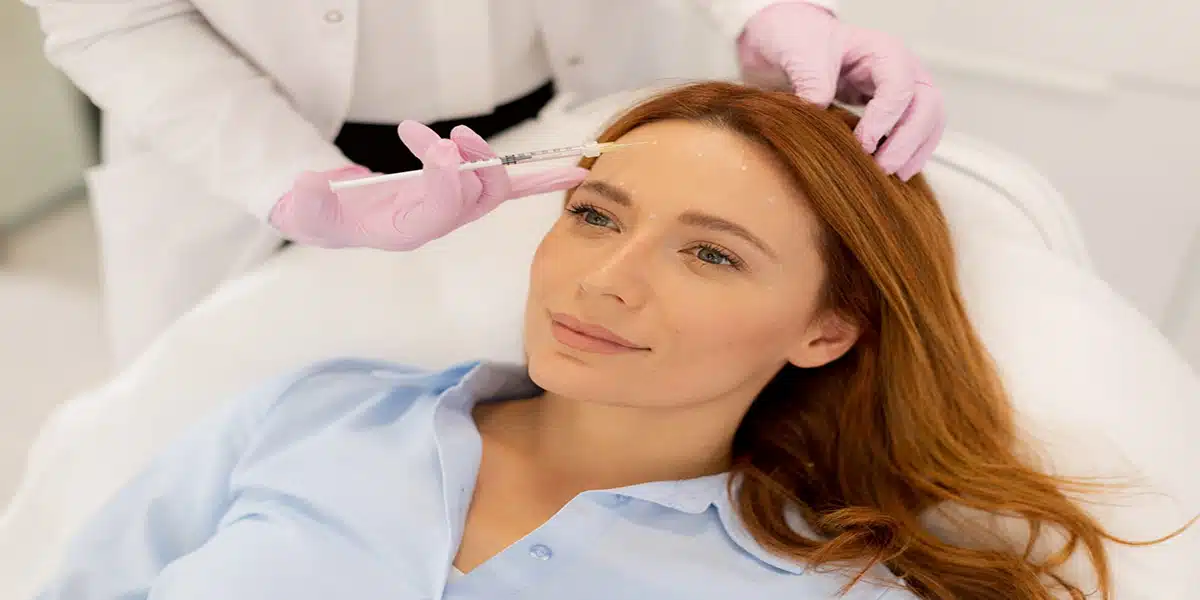
- Injectables like Botox and dermal fillers used for wrinkle reduction can cause serious side effects, including bruising, nerve damage, tissue death, and blindness if injected incorrectly.
- Microneedling uses fine needles to boost collagen production. It can cause infections, scarring, and persistent skin sensitivity if not performed under sterile conditions.
- Ultrasound and radiofrequency treatments used to tighten skin and stimulate collagen can cause redness, swelling, bruising, burns, and, in rare cases, nerve paralysis or muscle atrophy.
- CoolSculpting (cryolipolysis) is a noninvasive fat-freezing procedure that may cause mild side effects like numbness and bruising or more serious complications such as nerve pain and paradoxical adipose hyperplasia (hardening or enlarging of treated fat areas).
- Laser treatments and IPL (intense pulsed light) used for hair removal, skin resurfacing, and pigmentation correction can result in burns, scarring, hyperpigmentation, nerve damage, and prolonged redness.
- Chemical peels (which remove the outer skin layer to improve texture and tone) carry risks like chemical burns, infections, long-lasting pigmentation issues, and scarring when improperly applied.
- IV therapy and vitamin injections marketed for hydration, weight loss, or wellness boosts can result in bloodstream infections, allergic reactions, and serious complications if improperly mixed or administered without proper sterilization.
- Teeth whitening treatments can cause burns to gum tissue, lasting tooth sensitivity, and chemical irritation when performed incorrectly.
Because many med spa procedures involve injecting substances under the skin or using invasive medical devices, it’s crucial that these treatments be performed by licensed medical professionals in clean, well-supervised environments.
When can I file a lawsuit after an injury at a spa?
You may be able to file a lawsuit after an injury at a spa if the business or its employees failed to meet their basic duty of care to you as a customer.
All spas—whether day spas or medical spas—have a legal responsibility to maintain clean, safe environments, properly train their staff, and follow industry standards to protect your health.
If you were injured because of negligence, such as unsanitary conditions, untrained workers, slippery floors, unsafe equipment, or improper application of treatments like chemical peels or hot stone therapy, you could have a valid personal injury claim.
To win a case against a spa in Florida, you would need to show that the spa acted negligently and that their negligence directly caused your injury.
Can you sue a med spa for malpractice?
In some cases, an injury at a medical spa (med spa) from a botched cosmetic surgery or procedure can rise to the level of medical malpractice. This is because many cosmetic procedures offered at med spas like Botox, fat grafting, laser treatments, and CoolSculpting are considered medical treatments.
If a licensed healthcare provider (such as a doctor, nurse, or physician’s assistant) performs a procedure incorrectly or deviates from the accepted medical standards and you suffer an injury as a result of their negligence, you may be able to file a medical malpractice claim against them.
If you’re considering filing a lawsuit after an injury at a Florida spa, it’s best to seek guidance from an attorney with experience in both medical malpractice and personal injury claims who can help determine the best course of action for your specific case.
Were you injured at a spa in Tampa? We can help!
If you or a loved one suffered a catastrophic injury or wrongful death at a day spa or med spa in Tampa, you deserve real answers—and real help.
At Palmer Lopez, our experienced Tampa personal injury attorneys specialize in medical malpractice cases, so we know how to hold spas and healthcare professionals accountable when safety rules are ignored or procedures are done incorrectly.
Our team is here to answer your questions, investigate what happened, and clearly explain your legal options so you know what to expect.
Contact Palmer Lopez today for a free consultation, and let us put our experience to work so you can get the compensation you deserve.
References
Research, C. for D. E. and. (2023). Using Fat-Dissolving Injections That Are Not FDA Approved Can Be Harmful. FDA. https://www.fda.gov/drugs/buying-using-medicine-safely/using-fat-dissolving-injections-are-not-fda-approved-can-be-harmful